I have engaged in Pilates equipment sales for 6 years, Every time I help a Pilates studio owner choose reformers or other equipment, upholstery usually asked. Yet it is the part of the equipment that clients touch during almost every exercise.
For studio owners, upholstery affects comfort, hygiene, appearance. For Pilates equipment wholesalers and private-label brands, it also affects product series unify, visual image, customer complaints, and repeat orders.
At Warrior Pilates, we accept you can imagine upholstery customization. In this guide, I’ll explain how we adopt upholstery materials, surface textures, customization options, and manufacturing quality before recommending a specification for our customers.
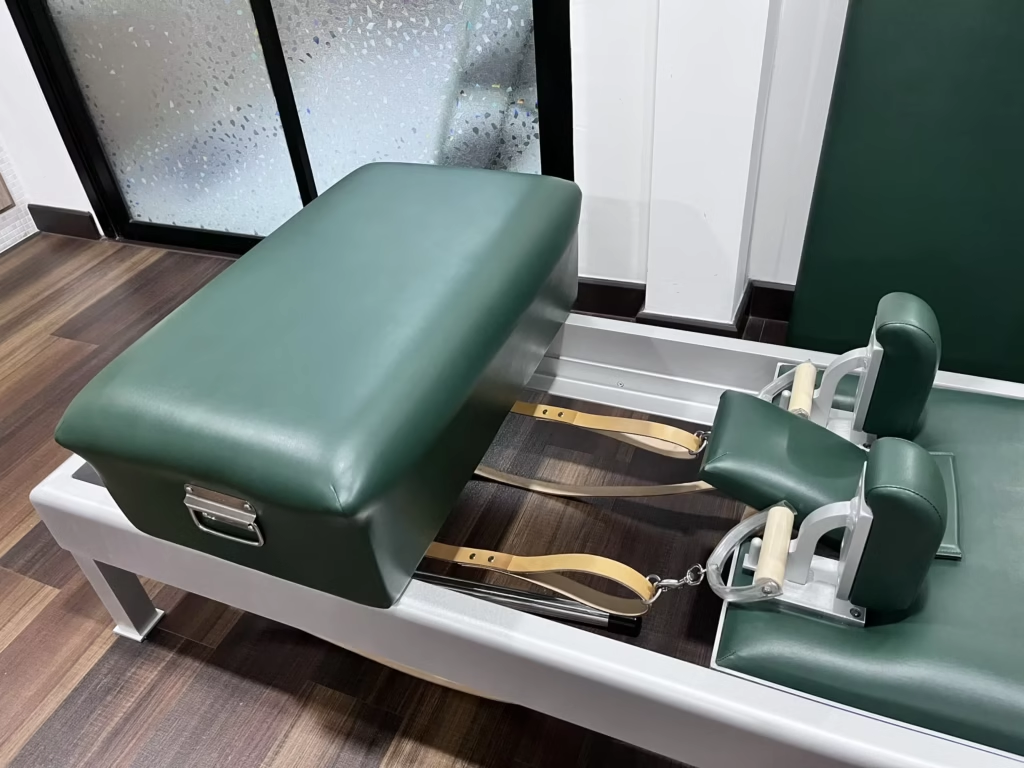
1. What Is Pilates Reformer Upholstery? Care and Construction
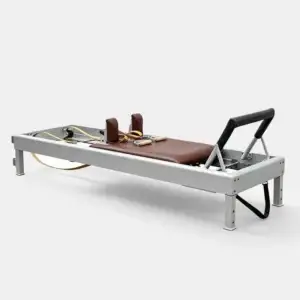
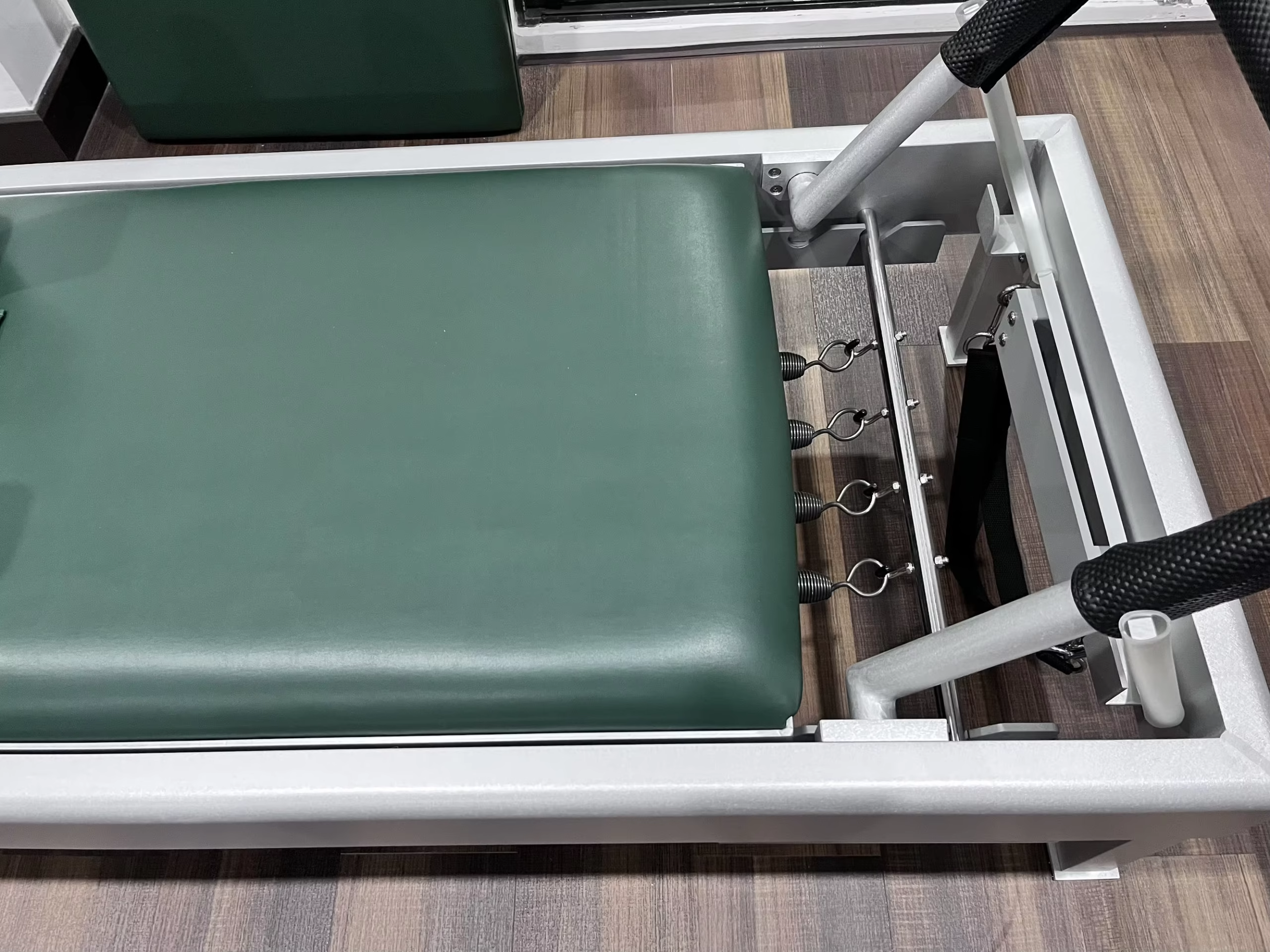
Pilates reformer upholstery is the padded surface covering the carriage, headrest, shoulder rests, and other contact areas of a reformer. It usually consists of a synthetic leather or vinyl covering, a foam cushioning layer, and a supporting base.
The purpose of upholstery is not simply to make a reformer look good. Users needs to support them body, provide suitable grip, tolerate repeated cleaning, and maintain its shape during daily use.
What Makes Up a Reformer Upholstery?
- Surface material
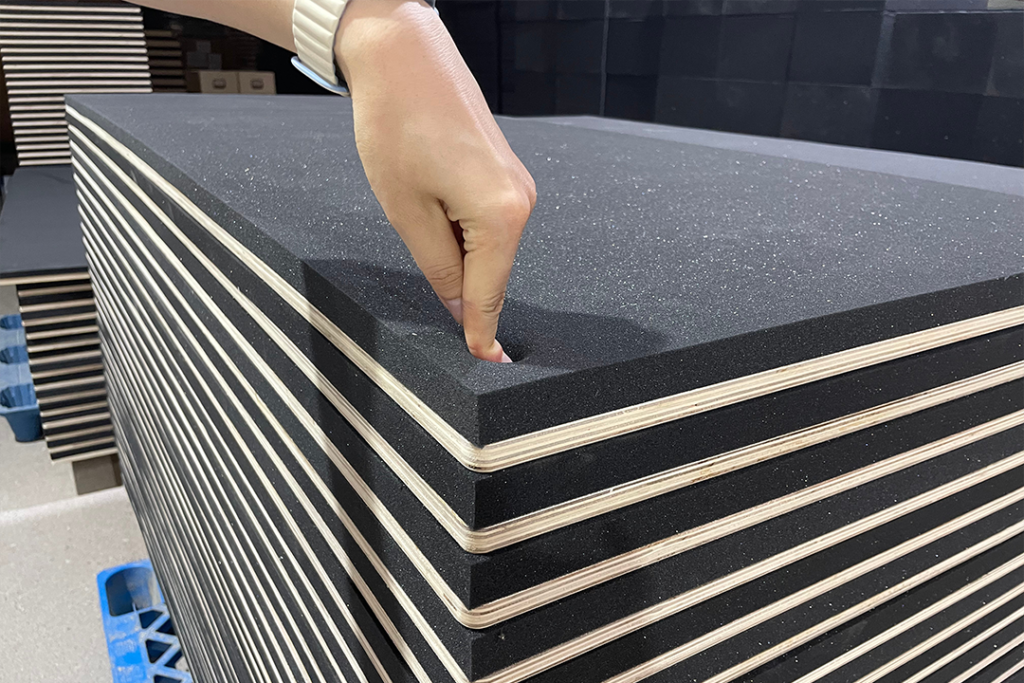
- Foam padding
- Backing material

How Should Pilates Studios Care for Upholstery?
I recommend cleaning reformer upholstery according to the material supplier’s instructions. A soft cloth and an approved cleaning solution are usually sufficient for routine care.
Studios should avoid assuming that every disinfectant is safe for every synthetic leather. Alcohol, bleach, and other chemicals can affect some coatings, especially after repeated exposure.
To better prolong the lifespan of upholstery, Pilates should be kept away from high temperatures, direct sunlight and rain in summer.
2. Best Upholstery Materials for Pilates Reformers: What Buyers Should Compare
Leather can refer to genuine animal leather, PU synthetic leather, PVC vinyl, or microfiber synthetic leather. These materials differ in surface feel, maintenance, even cost.
For Pilates equipment, I compare materials based on six factors: abrasion resistance, clean easy, sweat exposure, comfort, price.
PU Leather: Comfort and Design Flexibility
Polyurethane leather, usually called PU leather, is a synthetic material made with a polyurethane surface layer applied to a fabric or other backing. This kind of material is used for automotive upholstery, furniture and our Pilates equipment industy, because manufacturers can produce many colors, textures, and finishes.
I often consider PU leather when a customer wants a soft surface with a delicate appearance.
However, PU leather quality varies significantly.
The coating formulation, backing fabric, thickness, and production process all affect performance. Some PU materials offer good abrasion resistance, while lower-quality versions may crack, peel, or become sticky after prolonged exposure to heat, moisture, or unsuitable cleaning products.
For example from manufacturing process and structure aspect:
• Microfiber Leather: The best quality PU type leather. It uses ultra-fine fiber base fabric to simulate the mesh structure of genuine leather, which is wear-resistant, breathable and extremely strong. It is often used in car interiors and high-end shoes and bags.
• Traditional PU: It is based on knitted fabric, woven fabric or non-woven fabric, with PU resin coated on the surface. Its performance and lifespan are inferior to those of microfiber leather.
• Water-based PU: An environmentally friendly process, free of harmful solvents such as DMF, with low odor and high health and environmental protection indicators.
So, we said PU not uniform material.
PVC Vinyl: Practical for Frequent Cleaning
PVC vinyl uses a polyvinyl chloride coating over a supporting fabric.
Many Pilates equipment manufacturers adopt vinyl because it can offer good surface durability, moisture resistance, and easy cleaning.
However, PVC vinyl is not automatically more durable than PU leather.
Its performance depends on coating quality, plasticizers, backing construction, and the cleaning chemicals used. Some formulations can become stiff or develop surface damage as they age.
Microfiber Synthetic Leather: A Premium Alternative
Microfiber synthetic leather generally uses a fine synthetic fiber structure combined with a polymer coating or impregnation system.
It is often chosen for its soft feel, flexible construction, and premium appearance.
For higher-end Pilates equipment, microfiber synthetic leather may offer an attractive balance between comfort and durability.
Genuine Leather: Is It Suitable for Reformers Owners?
Genuine leather can provide a distinctive appearance and high end feel.
Genuine leather can absorb moisture, change appearance over time, and require conditioning. Its surface may also react differently to frequent disinfectant use.
For this reason, I would not automatically recommend genuine leather for a busy group-class studio.
3. Custom Pilates Reformer Upholstery Colours for Private Label Brands
For many Pilates studio owners, equipment color is part of the business identity.
Pilates studio may choose white aluminum alloy frames as reformers with beige upholstery to create a calm, modern feel. Another studio may prefer dark walnut frames with black upholstery for a more classic appearance.
As an OEM Pilates equipment manufacturer, I see upholstery color as more than decoration. It helps brands create a recognizable equipment.
How to Choose Upholstery Colors for a Studio
When I help customers choose colors, I consider the frame material, interior design, cleaning requirements, and long-term replacement needs.
Light-colored upholstery can create a bright, premium appearance.
Dark colors can hide some marks, but dust, cleaning residue, and surface scratches may become more visible.
Warrior Pilates sales will combine your pilates studio logo and furnishing style, give you Pantone color cataglog for customer choose.
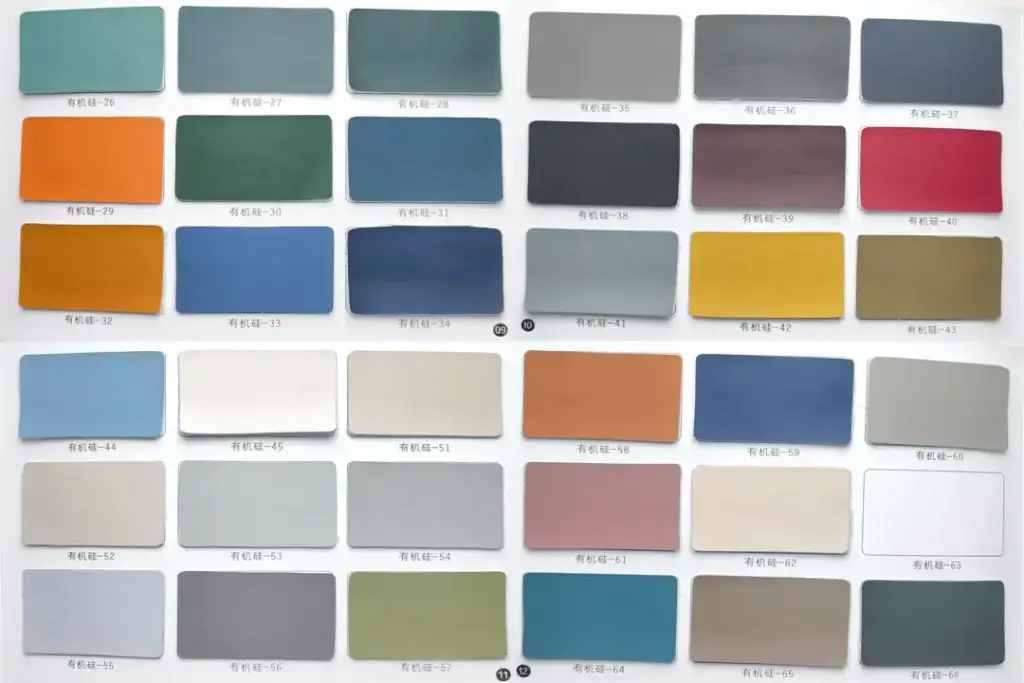
Custom Colors and Minimum Order Quantities
I separate two situations.
First, a customer may choose a color that is already available in our Warrior Pilates manufacturer warehouse. This is usually easier to arrange. The MOQ is one unit.
Second, the customer may request a completely new color. That can require additional material sourcing, sample approval, and a larger minimum purchase quantity. The MOQ will be 5 unit.
How to Maintain Color Consistency Across Repeat Orders
This is one of the most important details for private-label brands.
A distributor may order twenty reformers today and another twenty-five months later. If the upholstery color changes noticeably between orders, the products may no longer look like part of the same collection. Our factory will keep a upholstery sample to record material code, surface texture, and finish.
For repeat production, I would compare new material batches against the approved reference under consistent lighting.
I also recommend allowing for normal manufacturing tolerances. Exact visual matches can be difficult when raw materials or coating batches change.
4. Can a Logo Be Added to Pilates Reformer Upholstery? Branding Options Explained
Yes. A logo can be added to Pilates reformer upholstery through several methods, including embroidery, printing, embossing, debossing, and heat-transfer applications.
Where Should the Logo Be Placed?
The headrest is common area for logo
I avoid placing raised or abrasive branding in areas where clients frequently lie, kneel, or apply pressure.
On the other hand, confirming logo dimensions, orientation, position, and application methods need to be double checked before Pilates reformer production.
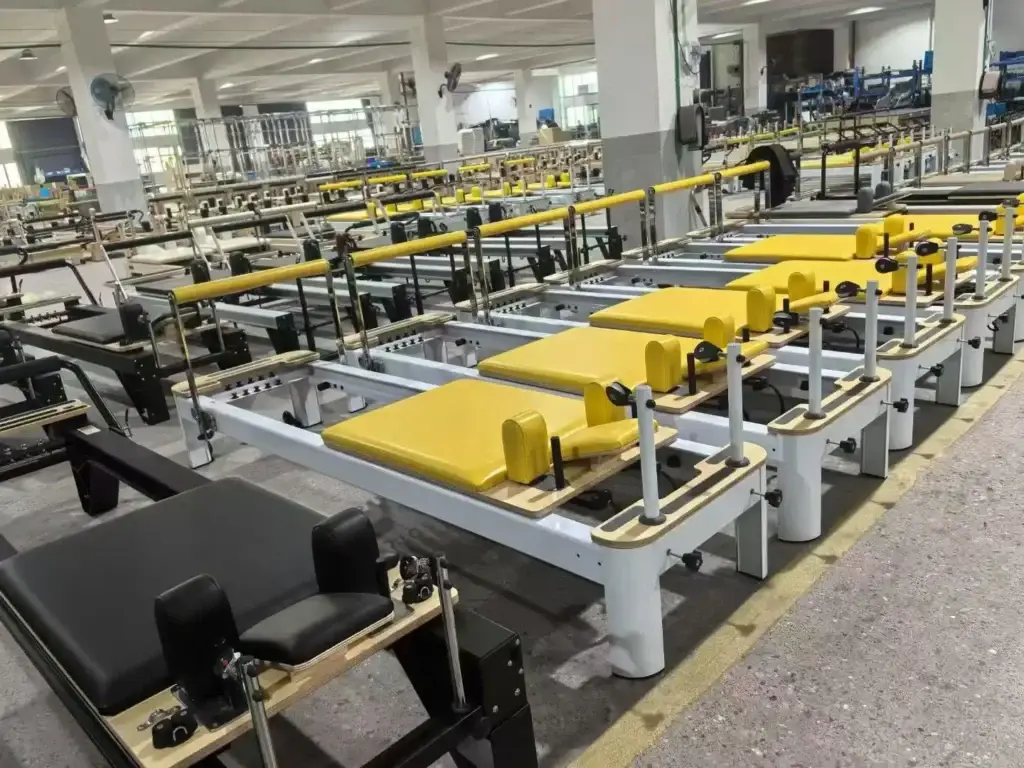
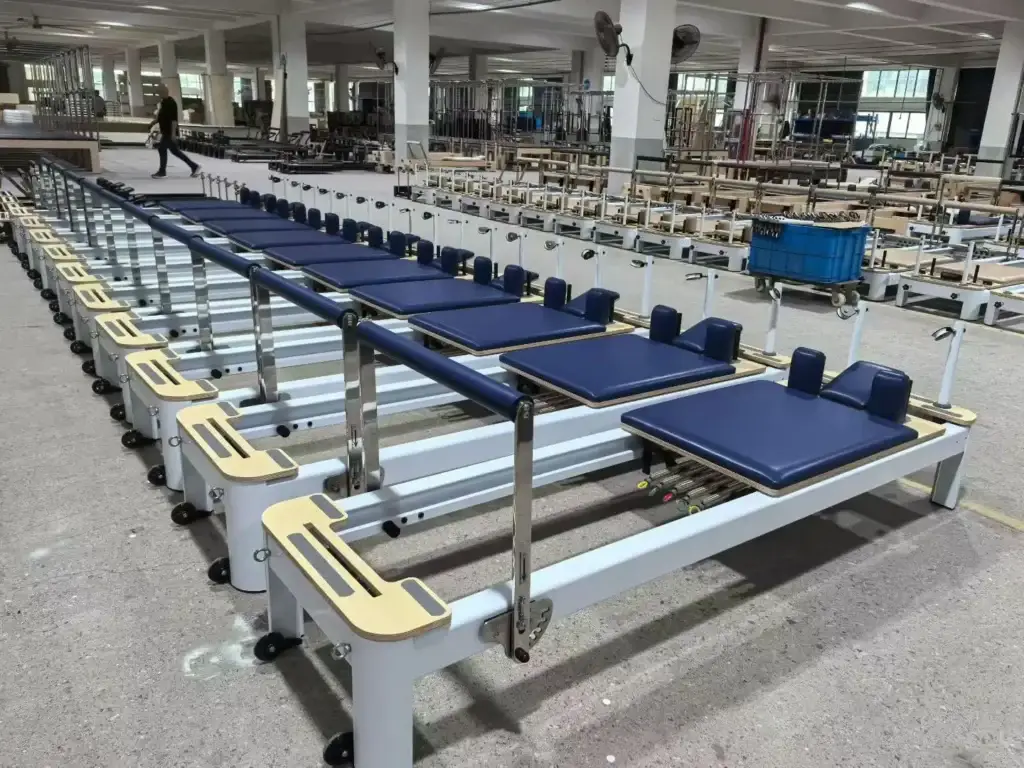
5. Pilates Reformer Upholstery Quality Inspection Checklist for Wholesale Buyers
Surface Material Inspection
When you receive Pilates equipments, look for scratches, stains, coating defects, unwanted texture differences, and visible color variation on upholstery.
Foam and Cushioning Inspection
Press different areas of the carriage and check whether the foam returns to its original shape.
Seams, Corners, and Edge Finishing
Corners are among the first places I inspect.
The upholstery must follow the shape of the underlying structure without excessive wrinkles, gaps, or uneven folds.
These details may seem small, but they strongly influence how customers judge the quality of a finished reformer.
Logo and Customization Inspection
For private-label orders, I compare the finished product against the approved branding sample.
I check:
- Logo position and size
- Color
- Surface finish
I recommend recording inspection results with photographs and retaining the approved sample for comparison.
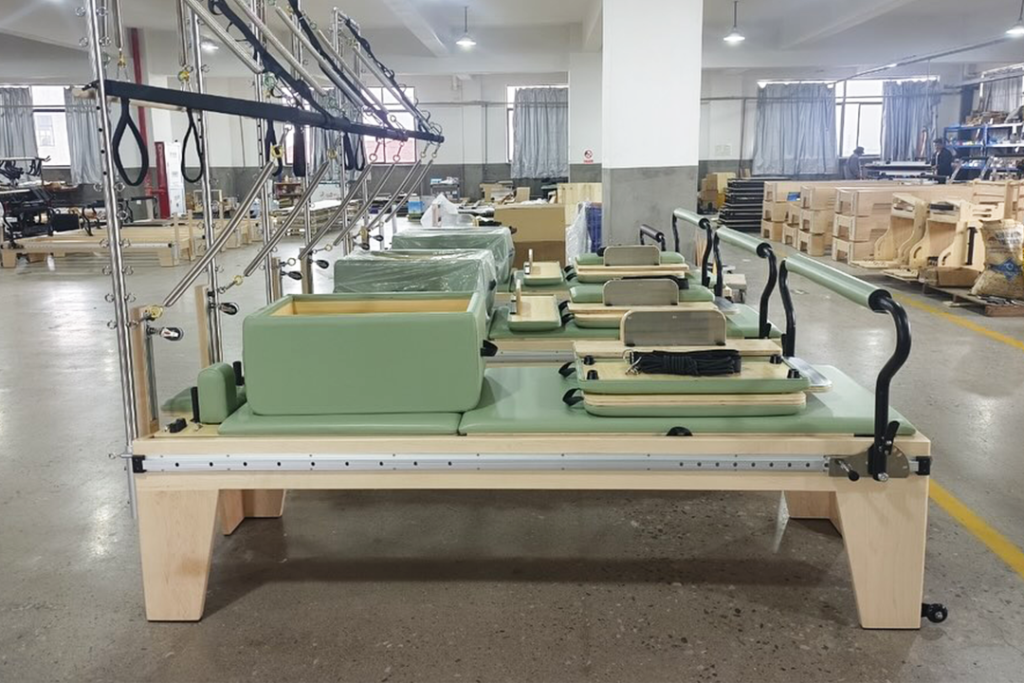
6. Matching Reformer Upholstery Across Chairs, Barrels and Cadillac Equipment
Many professional Pilates studios purchase reformers with other Pilates equipment.Like: Cadillac tables, Wunda chairs, ladder barrels, spine correctors, and Pilates accessories.
When these products come from different suppliers, the upholstery may vary in color, texture, firmness, and finish.
For this reason, I encourage buyers to think about upholstery across their entire equipment range.
Should Every Pilates Machine Use the Same Foam?
Not necessarily.
A reformer carriage, Wunda chair seat, and ladder barrel have different functions.
The reformer carriage supports the body during lying, sitting, and kneeling exercises. A Wunda chair seat may experience concentrated pressure during standing and seated movements. A ladder barrel needs padding that follows a curved structure while providing firm support.
I would not automatically use the same foam density, thickness, or firmness for every product.
Instead, I recommend maintaining a consistent visible upholstery finish while adjusting the cushioning construction to suit each machine.
Industry Insight: Consistency Is Part of Long-Term Brand Value
In my view, one of the biggest differences between buying individual Pilates machines and developing a commercial equipment collection is the need for repeatability.
A studio owner may initially focus on finding the right reformer color. A distributor has to think further ahead.
Will the same upholstery be available next year? Can a replacement headrest match the original carriage? Can a new Cadillac table fit visually with reformers already installed in the studio?
These questions become more important as a business grows.
At Warrior Pilates, we support customization across multiple Pilates equipment categories. For buyers planning a complete studio or private-label collection, I recommend approving upholstery materials and colors at the project level rather than making separate decisions for each machine.
Conclusion
For studio, good upholstery means less maintenance costs; For brand owners, stable quality can keep fewer after-sales complaints and more repeat customers.
At Warrior Pilates,We offer a variety of upholstery, color and brand customization solutions, and support unified color matching for the entire set of equipment including Reformer, Cadillac, Chair and Ladder Barrel, so that your studio will not only be impressive on the opening day, but also maintain a professional image in daily operations.
Are you purchasing Pilates equipment for a new studio or looking for a reliable OEM Pilates equipment manufacturer for your brand?
Welcome to contact Warrior Pilates for samples, customized solutions and wholesale quotations. Let your next batch of Pilates equipment, from appearance to quality, become the reasons for customers to choose you.